
Enabling Durable, Chemically Resistance Parts
PVC is the world’s third most produced polymer, but until now has been incompatible with additive manufacturing. The P3-44 ASTRA changes this by addressing challenges centered around hardware corrosion and narrow material print temperature ranges. Due to these system adjustments, chemically-resistant parts with tailorable performance are enabled for production.
Technical Data
Printer Specifications
Printer Specifications
Build Volume 36 x 48 x 48 in (914 x 1219 x 1219 mm)
Machine Footprint 73 x 125 x 101 in (1854 x 3175 x 2565 mm)
Machine Weight 4400 lbs (1996 kg)
Max Extruder Temperature 752°F (400°C)
Max Chamber Temperature 203°F (95°C)
Max Throughput Up to 15 lbs/hr (6.8 kg/hr)
Max Platen Temperature 248°F (120°C)
Dryer Capacity 100-150 lbs (45 - 68 kgs)
Suggested Layer Height: 0.030 - 0.089 in (0.75 - 2.25 mm)
Material Compatibility: ABS, PC, PEI/ULTEM, PEEK, PP, PA, PEKK, PET, PETG, PPSU, and more.
How ASTRA Enables PVC 3D Printing.
To meet the challenges presented by PVC’s nature, the approach was research driven. Through this, major areas were derived for the confident processing of the material:

Prevention
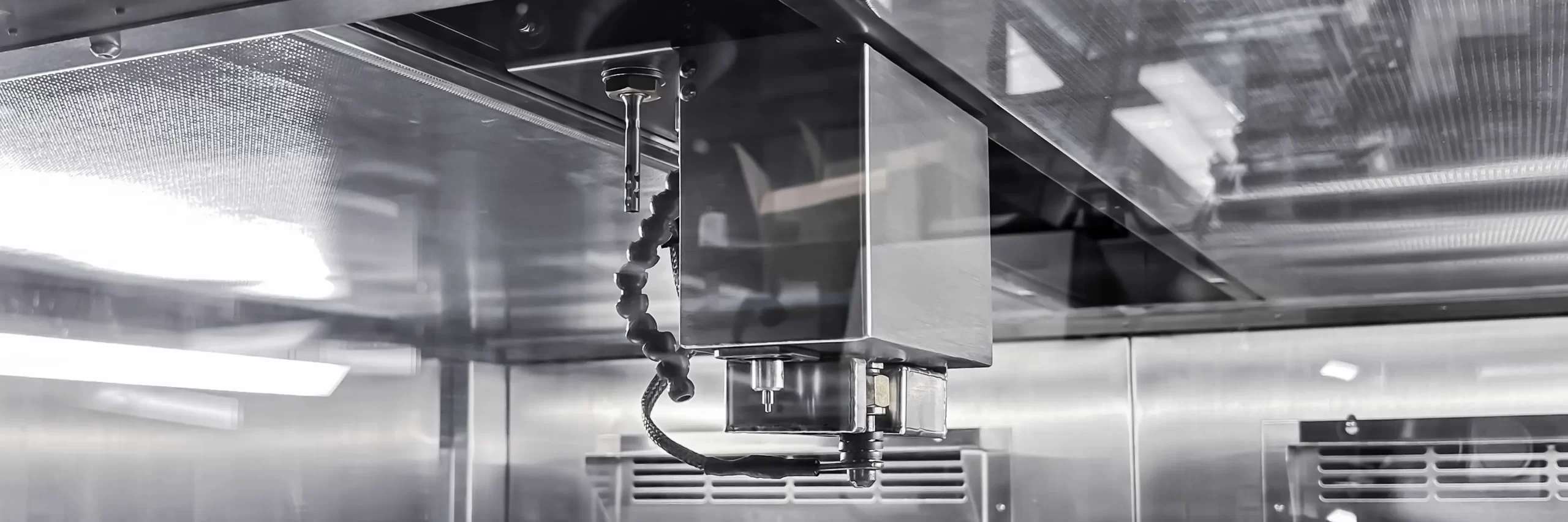
Corrosion-resistant components extend the printer’s lifespan while ensuring PVC processing control. ASTRA has been outfitted with hardware to mitigate these issues and key control components to maintain extrusion temperatures.
Containment
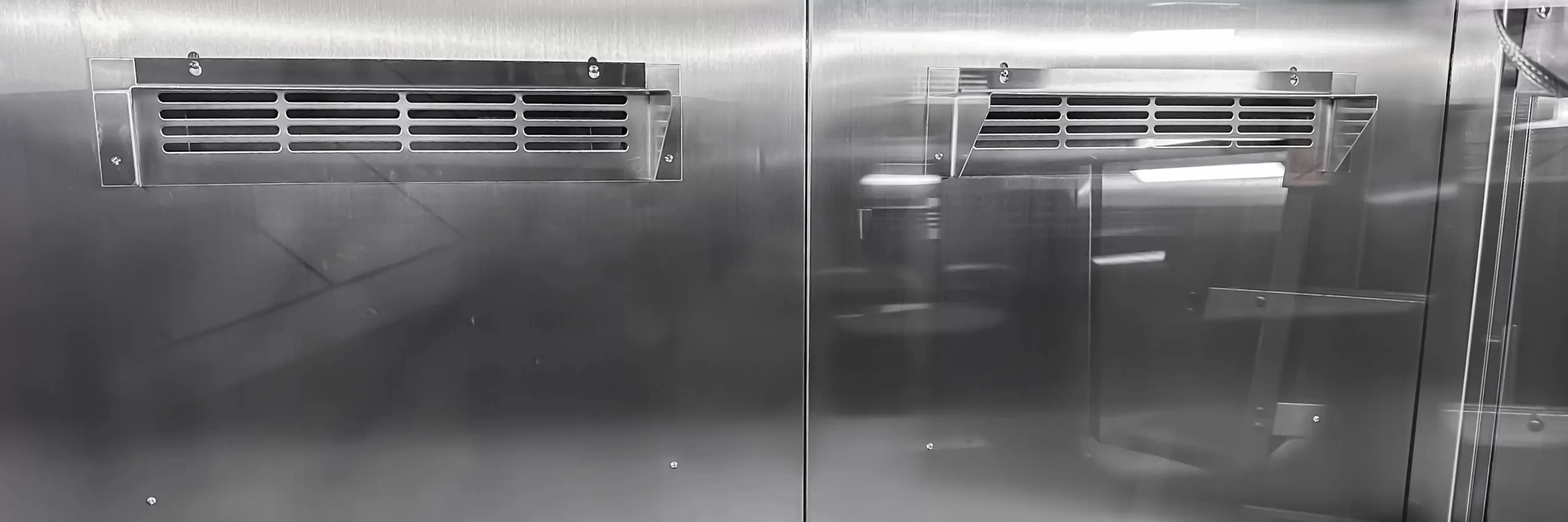
Processing PVC may release other VOCs that could be harmful over time, making proper containment essential for workplace safety. Additional sealing areas across the already enclosed base P3-44 ensure fumes generated during printing stay within controlled zones.
Extraction
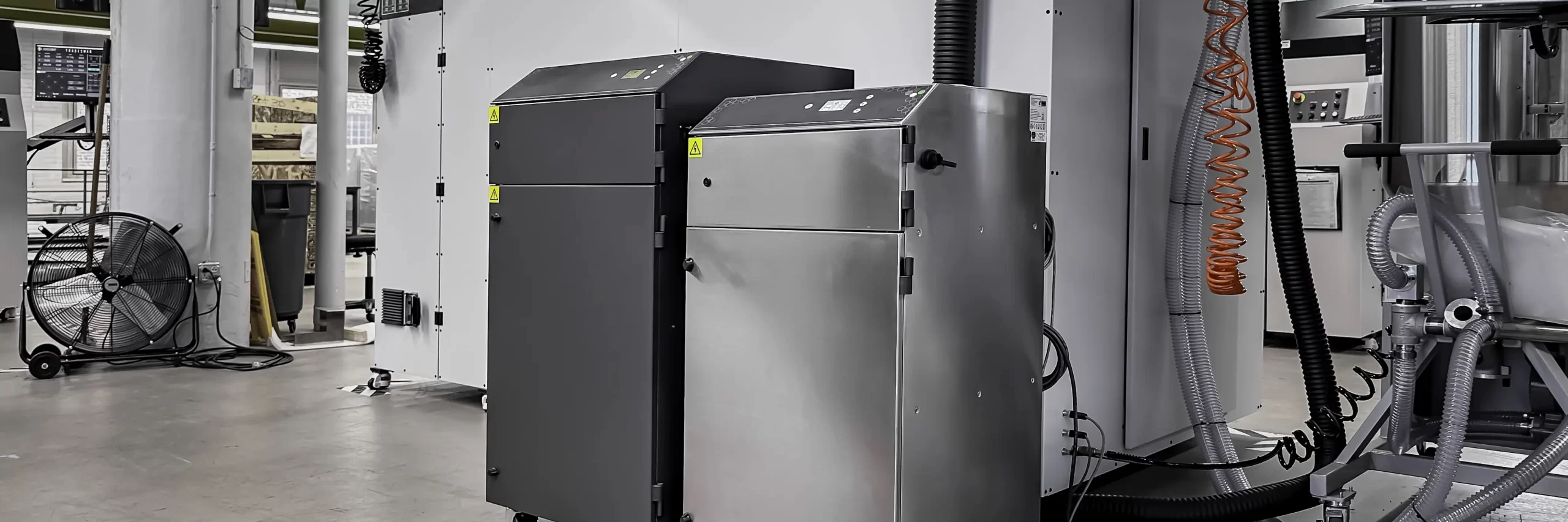
Equipped with a dual-stage fume extraction system, ASTRA captures fumes emitted throughout the printing process.
Protection
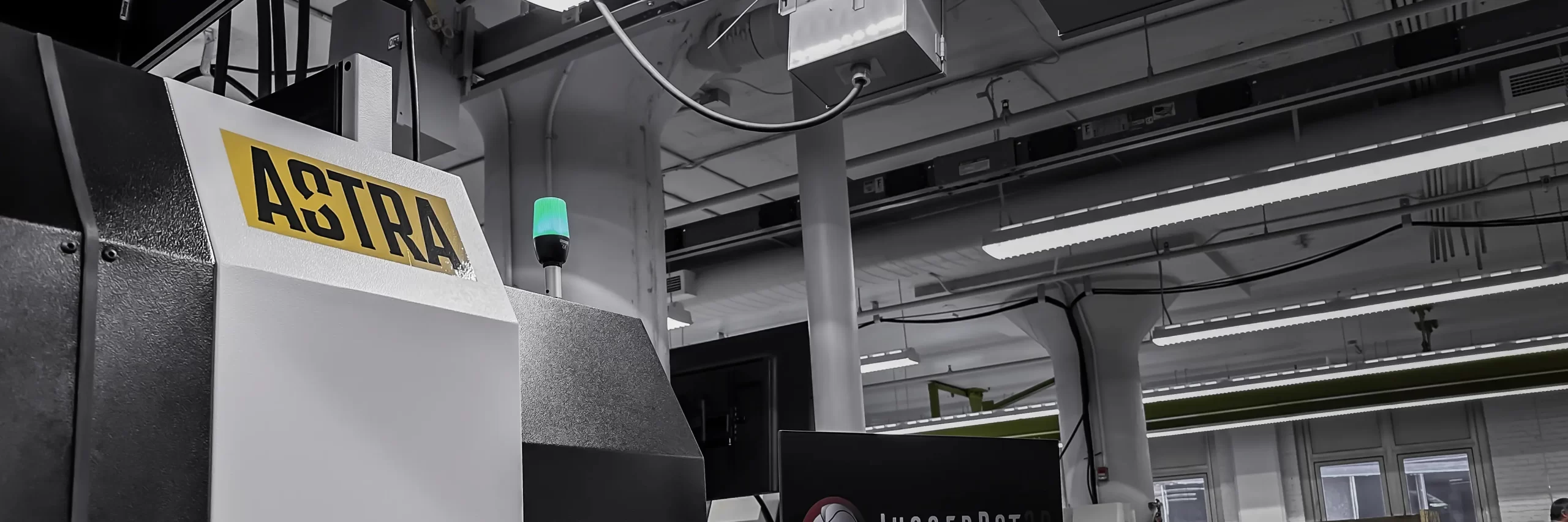
Improper processing of these materials can produce issues in the production environment. Access to the chamber is prohibited to prevent premature access, ensuring the environment is clear of fumes before the system is opened.
Technical Data
System Details
Printer Specifications
What Enables PVC 3D Printing? How ASTRA makes it Possible.
Prevention
Construction materials and components were carefully selected to extend the 3D printer’s lifespan while ensuring critical PVC processing conditions. ASTRA has been outfitted with corrosion-resistant hardware, tailored programming, and key control components to prevent mishandling.
Containment
Processing PVC may release fumes that could be harmful over time, making proper containment essential for workplace safety. Additional sealing areas across the already enclosed base P3-44 ensure fumes generated during printing stay within controlled zones.
Dedicated Fume Extraction
Equipped with a dual-stage fume extraction system, ASTRA captures fumes emitted throughout the printing process.
Operator Protection
Improper processing of these materials can produce issues in the production environment. Access to the chamber is prohibited to prevent premature access, ensuring the environment is clear of fumes before the system is opened.
PVC 3D Printing Applications
ASTRA realizes new pathways in industries where durability, chemical resistance, and cost control are essential.
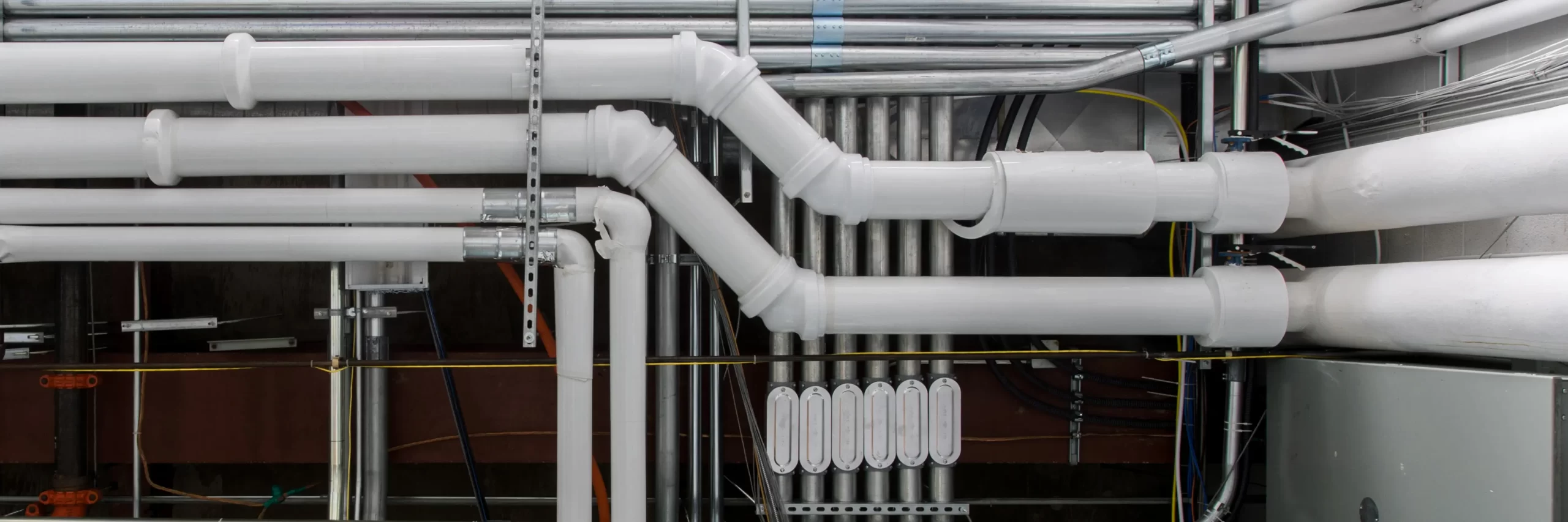
Oil & Gas
- Containment Systems
- Chemical Storage Tanks
- Oil & Gas Downstream Tools
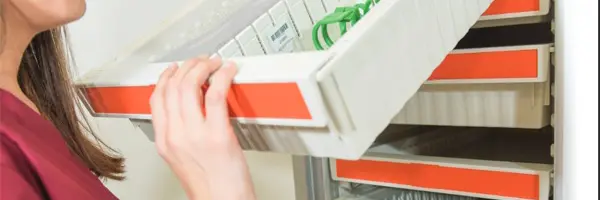
MedTech
- Medical Equipment Housings & Enclosures
- Medical Packaging, Carts, Organizers
- Waste Management Systems
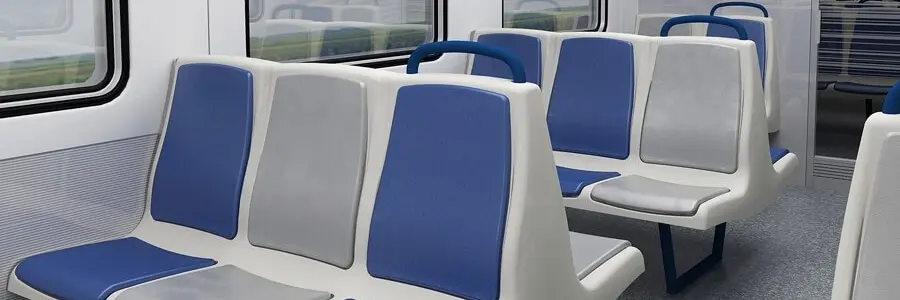
Mass Transportation
- Body Moldings & Paneling
- Ducting, Thermal & Acoustic Insulation
- Toilet Shrouds & Drainage


Real World Use Case
IPEX International, a leader in Thermoplastic piping solutions, looked to large format additive manufacturing to reduce labor, lead times, and improve part consolidation for their Vortex Flow Insert (VFI). Download the page brief on how JuggerBot 3D was able to take a two-week fabrication process to just 40 hours while eliminating cost prohibitive factors.
Real World Use Case
IPEX International, a leader in Thermoplastic piping solutions, looked to large format additive manufacturing to reduce labor, lead times, and improve part consolidation for their Vortex Flow Insert (VFI). Download the page brief on how JuggerBot 3D was able to take a two-week fabrication process to just 40 hours while eliminating cost prohibitive factors.
Is PVC a Viable 3D Printing Material?
The PVC question has plagued the additive manufacturing (AM) industry for the better part of a decade. Why has the third largest produced polymer with desirable material benefits at a fraction of the cost of other commodity-grade thermoplastics not been encouraged by material providers and OEMs alike? As we at JuggerBot 3D have stepped into the arena by developing a system to handle the challenges presented by PVC (Polyvinyl Chloride) an even larger natural question arises: Is PVC a viable 3D Printing Material?
Is PVC a Viable 3D Printing Material?
The PVC question has plagued the additive manufacturing (AM) industry for the better part of a decade. Why has the third largest produced polymer with desirable material benefits at a fraction of the cost of other commodity-grade thermoplastics not been encouraged by material providers and OEMs alike? As we at JuggerBot 3D have stepped into the arena by developing a system to handle the challenges presented by PVC (Polyvinyl Chloride) an even larger natural question arises: Is PVC a viable 3D Printing Material?